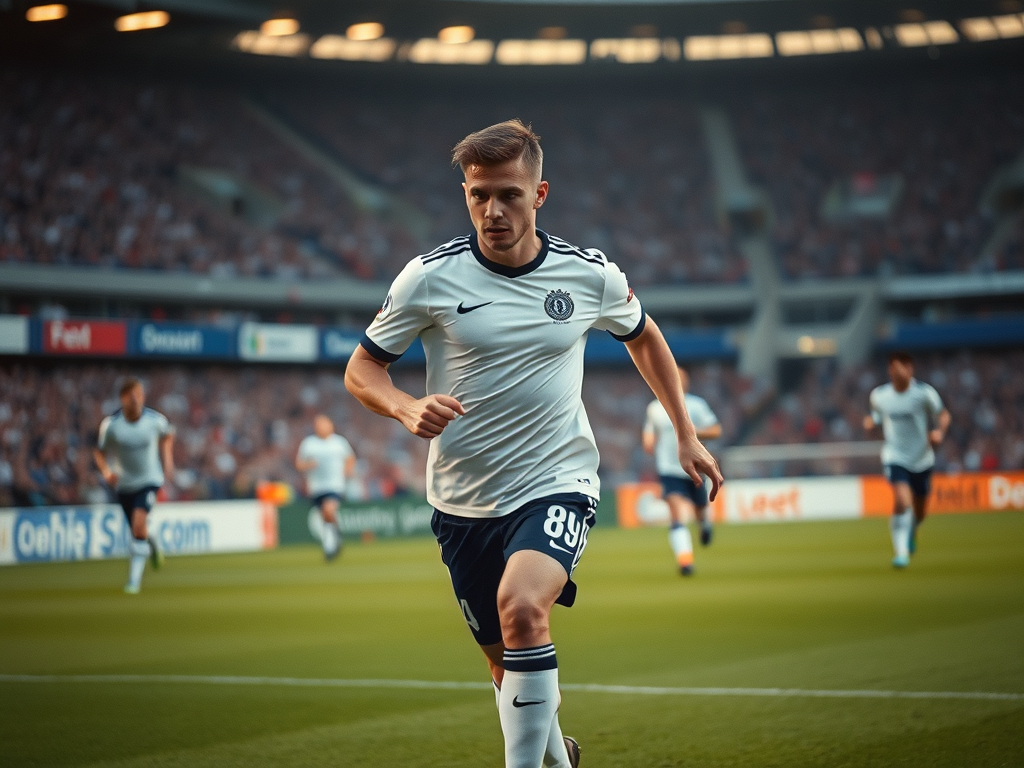
 F.C. København Hub
Tactical Tweaks for F.C. København's Next Phase: An Analytical Approach
F.C. København has been a staple of Danish football, showcasing a blend of tactical acumen and raw talent. Recently, however, while the team has enjoyed some success, inconsistencies have crept into their performances, especially in high-stakes matches. As we delve into the tactical setup of the Københavnere, we can identify both strengths to build upon and vulnerabilities to address.
Current Form and Observations
In the past few matches, F.C. København has operated primarily in a 4-2-3-1 formation, which has enabled them to maintain a solid midfield presence while allowing for attacking fluidity. The double pivot of M. López and another central midfielder has provided a strong defensive base, but it has also led to a lack of creativity at times. Opponents have begun to exploit this by pressing high, forcing turnovers and creating counter-attacking opportunities.
The attacking trio behind the striker has shown moments of brilliance, particularly with players like A. Cornelius leading the line. However, the reliance on individual brilliance means that the team often struggles to break down well-organized defenses, especially when key players are marked tightly. This has been evident in several matches where the Københavnere failed to score, often resorting to long-range efforts that lacked precision.
Suggested Tactical Adjustments
1. Introducing a More Fluid Midfield Structure: To combat the stagnation in the midfield, a shift towards a 4-3-3 formation could provide more dynamism. By including a third midfielder who can link up play and provide creative options, F.C. København can maintain possession better and create more goal-scoring opportunities. This midfield triangle could allow for more interchanging positions, making it harder for opponents to predict their movements.
2. Utilizing Wing Play: The current strategy tends to funnel the play through the center, which can become predictable. By utilizing the width of the pitch more effectively, F.C. København can stretch defenses and create space for central players to exploit. Employing overlapping full-backs, such as Aurélio Buta, could become crucial to breaking down stubborn defenses and providing additional crossing options.
3. Incorporating a Pressing Game: While the team has shown moments of high pressing, it often lacks the intensity needed to regain possession effectively. A more cohesive pressing strategy that involves the forwards and midfielders working in unison can disrupt opponent build-ups and create immediate chances. Training should focus on coordination and triggers for pressing as a unit, ensuring that players know when to engage.
4. Adjusting Defensive Lines: Defensively, F.C. København has occasionally been caught out of position, particularly on counter-attacks. A more compact defensive setup when out of possession can limit space for opposing attackers, while also allowing the full-backs to push forward when in possession. This could involve the center-backs communicating more effectively to manage defensive transitions, especially against teams that thrive on quick breaks.
5. Utilizing Substitutions Strategically: The tactical substitutions made during matches can significantly influence the game's outcome. Ensuring that fresh legs are introduced at critical moments, particularly in the second half, can help maintain a high tempo and exploit tired defenders. This could involve bringing on pacey wingers or dynamic midfielders who can change the game's dynamics swiftly.
Conclusion
As F.C. København looks to solidify their position in the league and push for silverware, these tactical tweaks could provide the edge needed to enhance their performances. By addressing the current vulnerabilities and embracing a more adaptable tactical approach, the Københavnere can aim not just to compete but to dominate, staying true to their rich history and the expectations of their passionate fanbase.